
28mars Casino: Navigating the Evolving Online Gaming Landscape
Zet Casino Review: Your Expert Guide to a Top Gaming Platform
October 26, 202619rich Casino Australia: Your FAQs Answered
October 26, 2026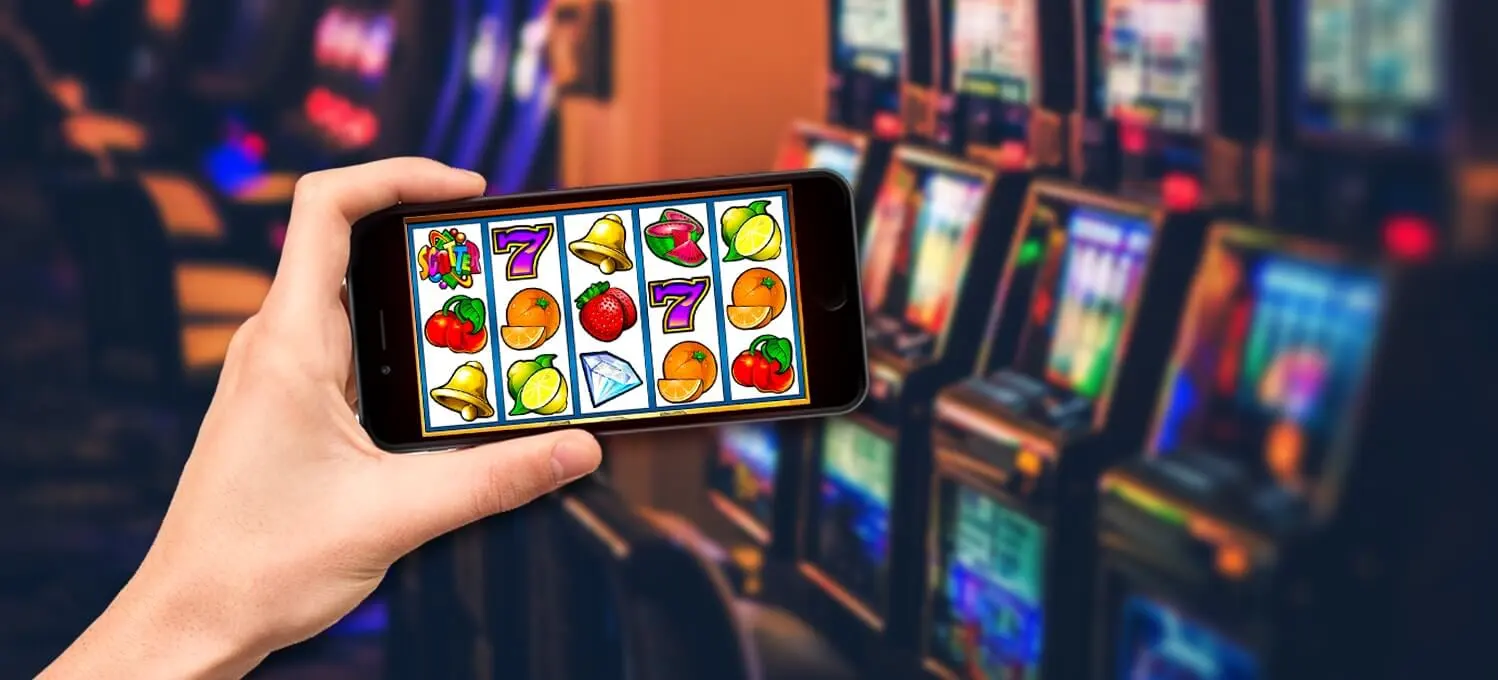
The online casino industry is a dynamic beast, constantly reshaped by technological advancements, shifting player preferences, and evolving regulatory frameworks. Understanding these currents is crucial for any operator aiming to make a significant impact, and it’s in this vibrant ecosystem that platforms like 28mars Casino are carving out their niche. These digital arenas are more than just places to play; they are sophisticated operations blending cutting-edge technology with an understanding of player psychology. The journey from simple digital card games to immersive, live-dealer experiences has been nothing short of revolutionary, and the future promises even more innovation.
The Digital Evolution of Casino Experiences
The genesis of online casinos was a bold step, transforming traditional brick-and-mortar establishments into accessible digital platforms. Initially, these were basic iterations, offering a limited selection of games that mimicked their physical counterparts but lacked the atmospheric grandeur. However, the underlying potential was immense, promising convenience and broader accessibility to a global audience. This early phase laid the groundwork for what would become a multi-billion dollar industry, driven by a relentless pursuit of better graphics, smoother gameplay, and more engaging features.
As internet speeds increased and graphical capabilities improved, so too did the sophistication of online casino offerings. We witnessed the emergence of 3D graphics, advanced animations, and increasingly complex game mechanics that brought digital slots and table games to life. This period of rapid development was characterized by a focus on user interface design and ensuring a seamless experience across various devices, setting the stage for the next major leap: live dealer interaction.
Innovations Shaping 28mars Casino and Beyond
The introduction of live dealer games marked a paradigm shift, bridging the gap between the digital and physical casino worlds. Players could now interact with real dealers in real-time, streamed directly to their devices, adding a layer of authenticity and social engagement previously unattainable. This innovation not only enhanced the thrill of games like blackjack and roulette but also catered to a growing segment of players who craved a more human touch in their online gaming. The technology behind these streams, involving high-definition cameras, sophisticated streaming software, and efficient data management, is a testament to the industry’s technological prowess.
- Enhanced Player Trust: Real dealers and live interaction foster greater transparency.
- Increased Engagement: Social interaction with dealers and other players boosts enjoyment.
- Authentic Atmosphere: Recreates the feel of a physical casino from the comfort of home.
- Wider Game Variety: Expands the range of classic casino games available online.
Beyond live dealers, the integration of Artificial Intelligence (AI) is another frontier being explored by platforms like 28mars Casino. AI can personalize player experiences, offer tailored game recommendations, and even assist in fraud detection and responsible gaming measures. As AI capabilities grow, its role in optimizing game fairness, enhancing security protocols, and providing responsive customer support will become increasingly prominent, further refining the digital casino environment.
The Role of Data Analytics in Modern Casinos
In today’s data-driven world, understanding player behavior is paramount for any online casino’s success. Analytics platforms allow operators to gather insights into player preferences, gameplay patterns, and spending habits. This information is invaluable for customizing game selections, optimizing promotional offers, and ensuring that the player experience remains fresh and engaging over time. Without a deep dive into these metrics, casinos would be operating in the dark, unable to adapt to the ever-changing demands of their clientele.
| Key Performance Indicator (KPI) | Description | Impact on Player Experience |
|---|---|---|
| Player Retention Rate | Percentage of players who return to play over a given period. | Higher retention suggests satisfaction and engaging offerings. |
| Average Session Duration | The average amount of time a player spends per gaming session. | Indicates how captivating the games and overall platform are. |
| Game Popularity Index | Measures the frequency and engagement with specific games. | Helps in curating a diverse and appealing game portfolio. |
| Conversion Rate (Deposit) | Percentage of players who make a deposit after signing up. | Reflects the effectiveness of onboarding and initial offers. |
The ethical application of this data is also a critical consideration, particularly concerning responsible gambling. Analyzing gameplay patterns can help identify potential issues early on, allowing platforms to implement preventative measures or offer support resources to at-risk players. This proactive approach not only safeguards individuals but also builds trust and demonstrates a commitment to player well-being, a cornerstone of sustainable growth in the online gaming sector.
Future Trends and the 28mars Casino Trajectory
Looking ahead, the integration of virtual reality (VR) and augmented reality (AR) holds immense potential for the online casino industry. Imagine stepping into a fully immersive virtual casino lobby or interacting with augmented reality elements overlaid onto your physical surroundings. These technologies promise to deliver unparalleled levels of realism and interactivity, transforming how players experience their favorite games and potentially attracting a new demographic of tech-savvy users. The development in this area is still nascent but points towards a future where the lines between physical and digital entertainment blur even further.
Furthermore, the ongoing evolution of mobile gaming technology will continue to be a driving force. As smartphones and tablets become more powerful, casinos will offer increasingly sophisticated and feature-rich experiences directly on these devices. This includes optimizing games for smaller screens, ensuring seamless touch controls, and leveraging mobile-specific features like push notifications for promotions. The convenience and ubiquity of mobile devices mean that the casino will always be in the player’s pocket, ready for action whenever the mood strikes.
